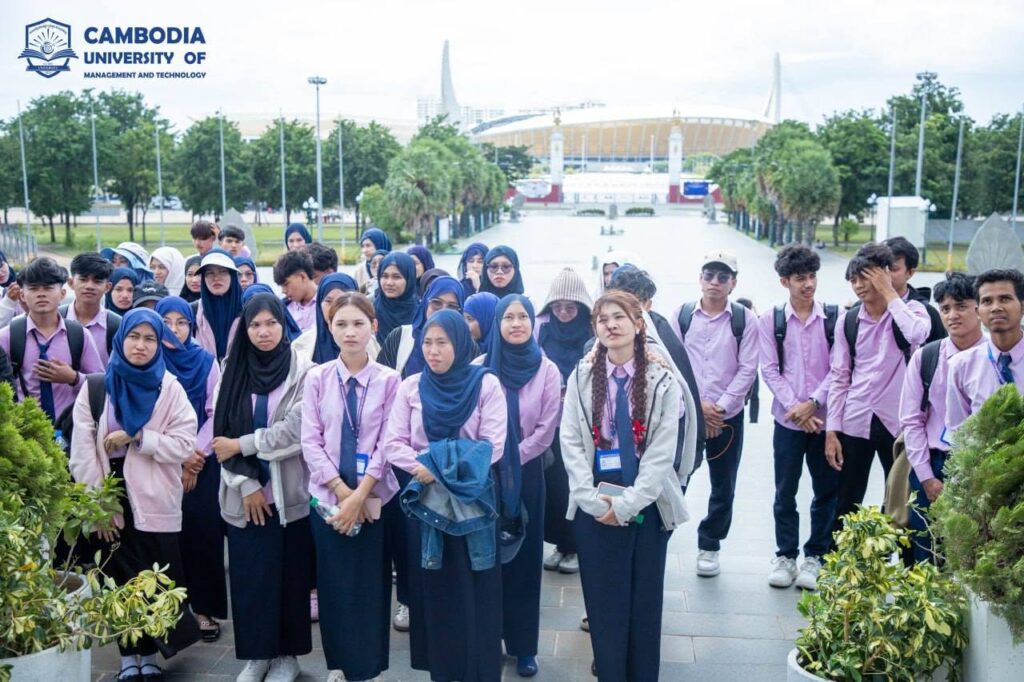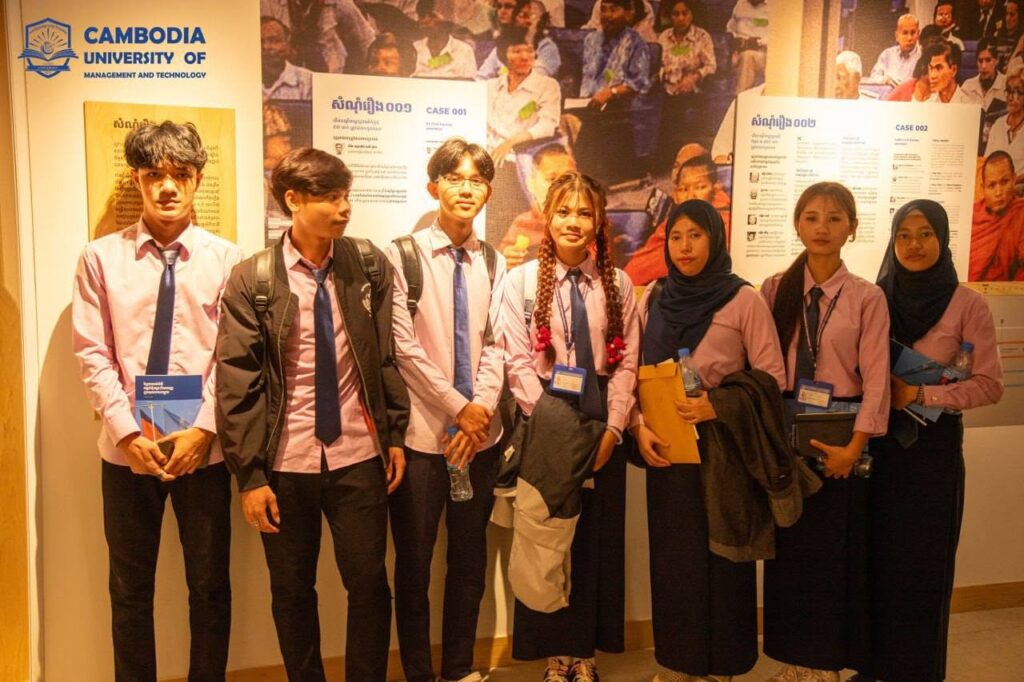
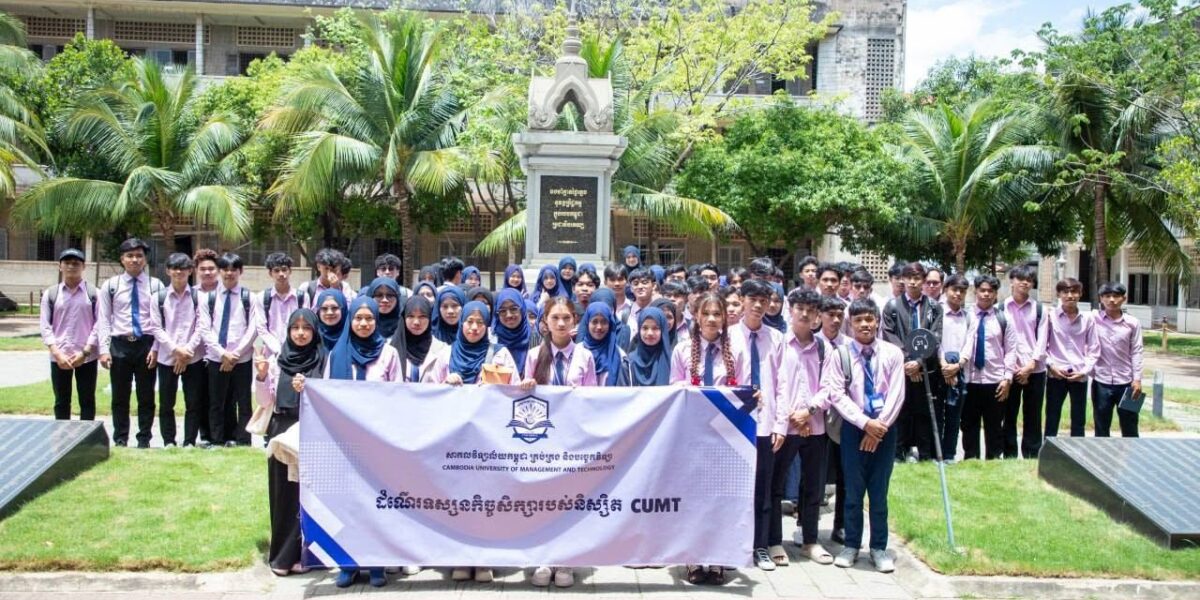
Phnom Penh, Cambodia: Students from the University of Management and Technology (CUMT) took part in an educational study visit to several important sites related to Cambodia’s history, justice, and peacebuilding on August 27, 2026.
The study visit was organized in collaboration with the Extraordinary Chambers in the Courts of Cambodia (ECCC) and provided students with an opportunity to deepen their understanding of Cambodia’s recent history, the pursuit of justice for victims of the Khmer Rouge regime, and the importance of preserving historical memory for future generations.
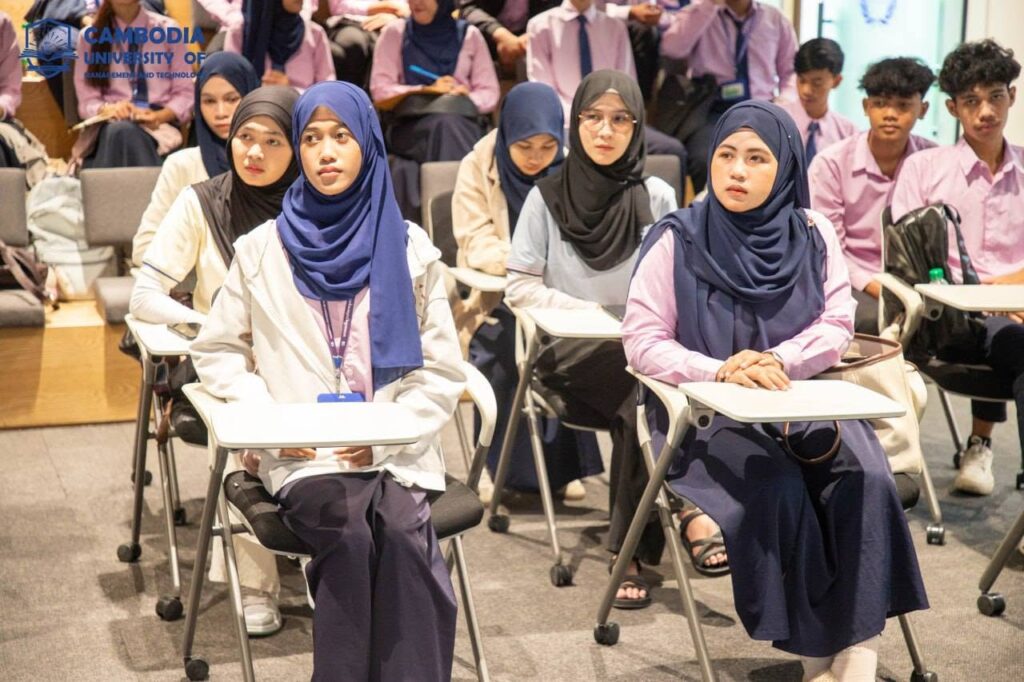
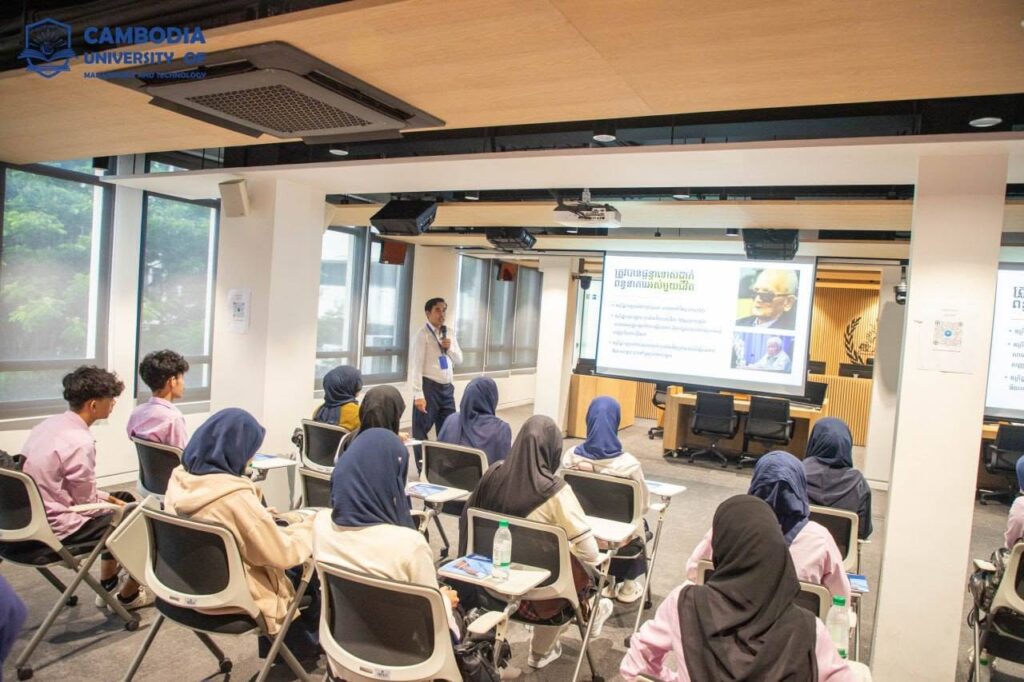
As part of the program, the students visited the Extraordinary Chambers in the Courts of Cambodia (ECCC), where they learned about the institution’s work in bringing senior leaders and those most responsible for crimes committed during the Khmer Rouge period to justice. The visit introduced students to the judicial process and the broader role of the ECCC in documenting Cambodia’s history and contributing to national reconciliation.
The students also visited the Tuol Sleng Genocide Museum (S-21), a significant historical site that preserves evidence and testimonies related to the Khmer Rouge period. The visit offered students an opportunity to reflect on the experiences of victims and the importance of historical documentation and remembrance.
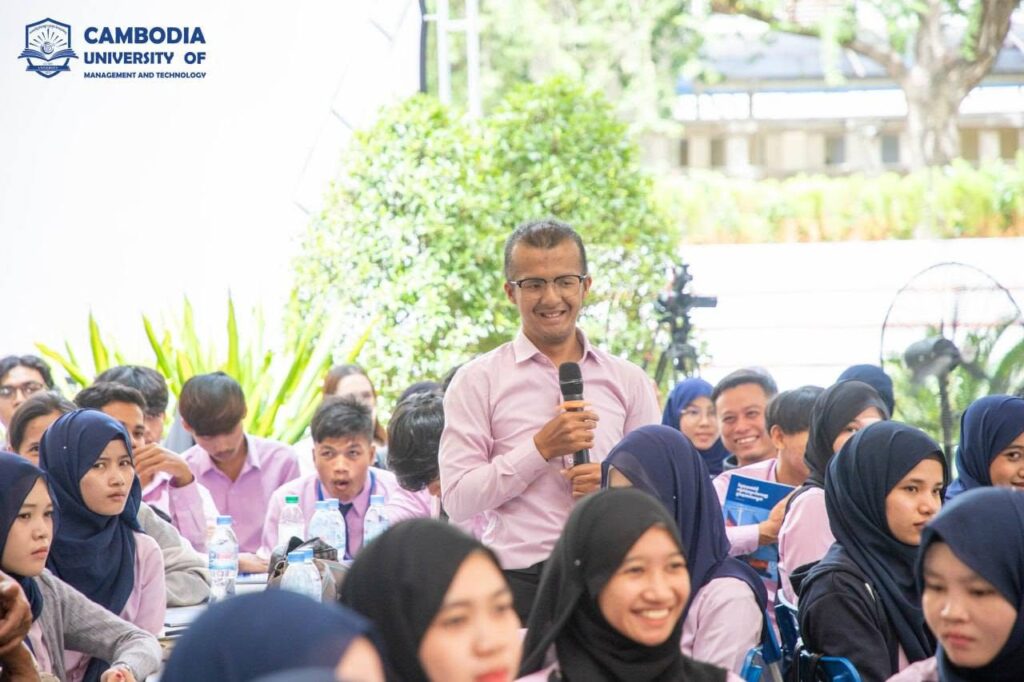
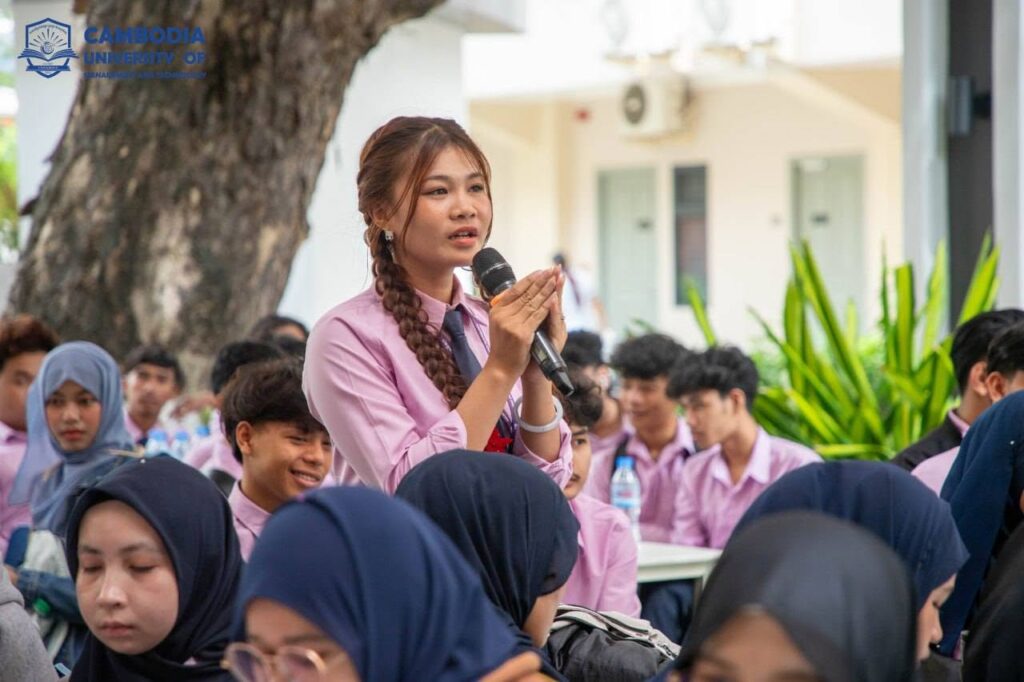
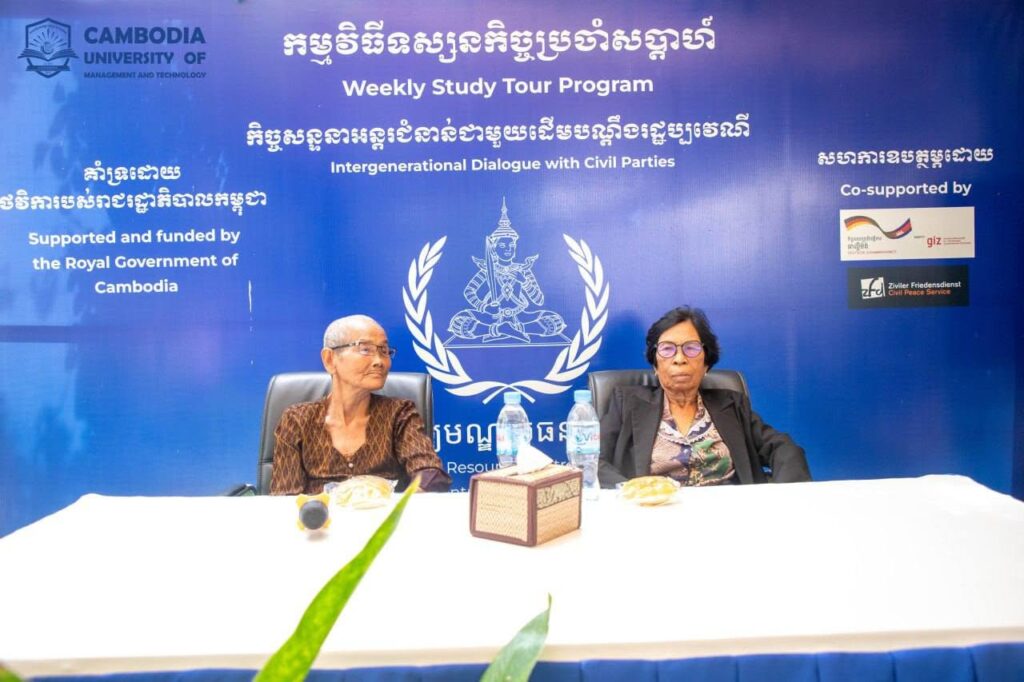
An important part of the study visit was an intergenerational dialogue, during which students met with a speaker who is a survivor of the Khmer Rouge era in Cambodia. Through personal testimony and discussion, students had the opportunity to hear directly about lived experiences during this difficult period. The dialogue encouraged meaningful exchanges between generations and highlighted the value of listening to survivors and preserving their stories.
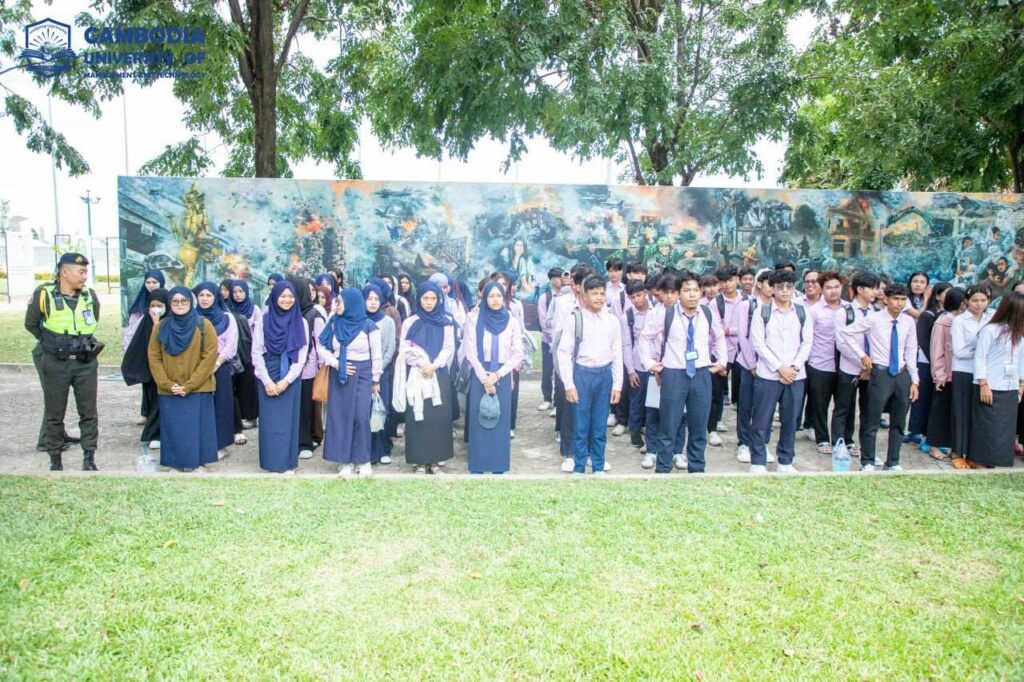
The program also included a visit to the Win-Win Memorial, which provided students with an opportunity to learn about Cambodia’s journey toward peace and national reconciliation. The site served as a setting for reflection on the importance of peace, social stability, and dialogue in preventing the recurrence of conflict.